Does homeowners insurance cover storm-damaged siding in Lake County?
By Aisha Kowalski · Updated 2026-08-14
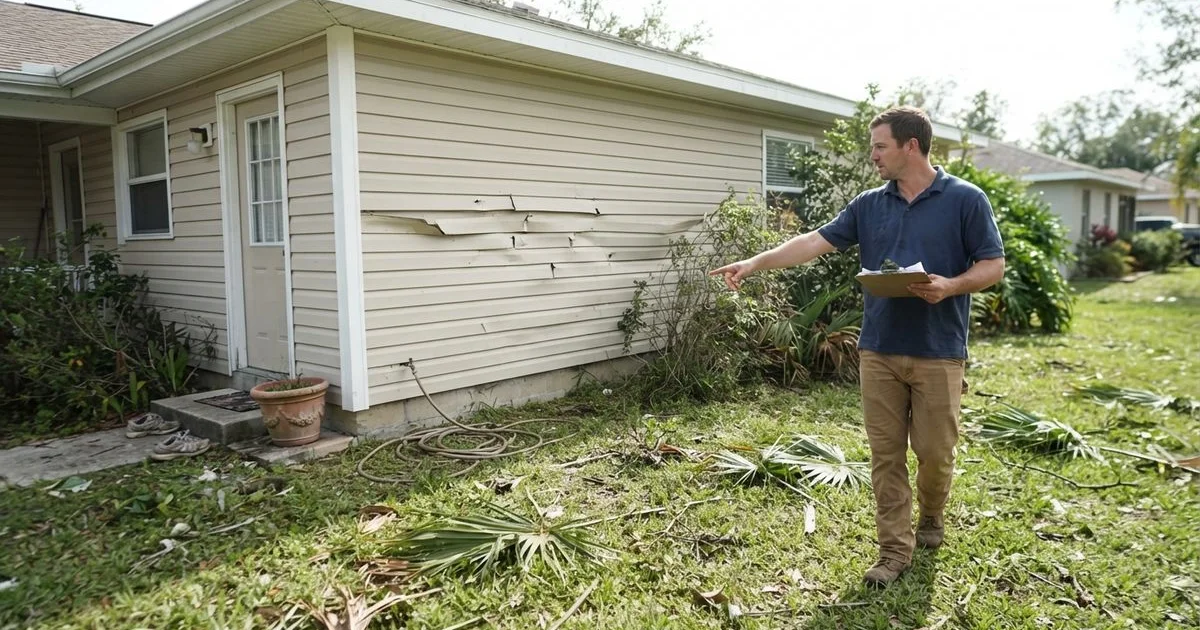
Central Florida gets its share of summer thunderstorms and, some years, a direct hit from a tropical system, so it’s a fair question: if wind or hail tears up your siding, does insurance actually pay for it? The general answer is often yes, but with enough caveats and paperwork requirements that it’s worth understanding the process before damage happens, not after.
This is general information about how homeowners insurance commonly treats storm damage, not insurance or legal advice. Your specific policy, deductible, and insurer’s claims process control what’s actually covered, so confirm the details with your agent or carrier.
What’s typically covered
Most homeowners policies cover siding damage tied to a specific, sudden peril: wind, wind-driven rain, hail, or a falling tree limb during a storm are the common examples in this area. If a named storm or a strong summer squall rips panels loose, cracks boards, or punches a hole through a wall, that kind of damage usually falls within standard wind coverage, subject to your deductible.
Where it gets more complicated is Florida’s separate hurricane deductible, which many policies apply once a storm is officially named. That deductible is often a percentage of your home’s insured value rather than a flat dollar amount, and it can be meaningfully higher than your regular wind or all-perils deductible. Knowing which deductible applies to a given storm event, before you file, helps you set realistic expectations for what you’ll pay out of pocket.
What usually isn’t covered
- Gradual deterioration. Warping, fading, or cracking that built up slowly from age and sun exposure isn’t the kind of sudden event insurance is built to cover.
- Pre-existing damage. If siding was already compromised before a storm, insurers can and do deny claims for damage they determine predates the event, which is one reason documentation matters so much.
- Poor maintenance. Rot from a missing drip cap or failed flashing that went unaddressed for years typically reads as a maintenance issue rather than storm damage, even if a storm is what finally revealed it.
- Cosmetic mismatch. If only one wall needs replacement panels and the exact original product is discontinued, insurers don’t always cover full-house replacement to match color and profile, though some policies do include matching provisions.
Documenting a claim well
| Step | Why it matters |
|---|---|
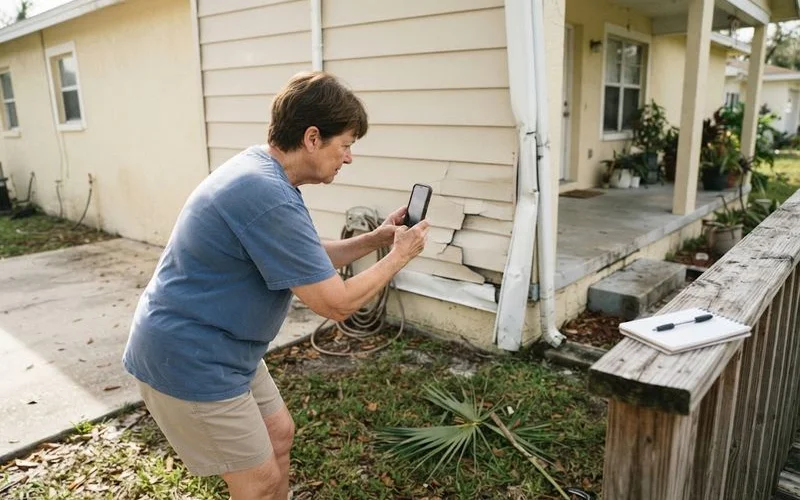
| Photograph damage immediately, before any temporary repair | Establishes the condition right after the storm |
| Note the date and storm event | Ties the damage to a specific covered peril |
| Get a written estimate from a licensed local contractor | Gives the adjuster a concrete repair scope to work from |
| Keep receipts for any emergency tarping or board-up | Insurers generally expect and reimburse reasonable steps to prevent further damage |
| Request a copy of the adjuster’s report | Lets you compare their damage assessment against your contractor’s |
Working with a contractor during a claim
A siding contractor experienced with insurance work can be genuinely useful here: many are used to writing estimates in the line-item format adjusters expect, and some will meet the adjuster on-site to walk through the damage together. That said, be cautious of any contractor who pressures you to sign a contract before your insurer has inspected the property, or who quotes a dramatically different price depending on whether you or your insurance company is paying. Reviews across Lake County siding providers occasionally flag exactly that kind of pricing inconsistency, so a written, itemized estimate before you sign anything protects you either way. Confirming a contractor’s license and insurance matters just as much on a storm claim as on any other job; the guide to contractor liability and licensing covers what to check first.
Before storm season arrives
The best time to understand your coverage is before a storm, not during the scramble afterward. Pull your policy’s declarations page, confirm your hurricane deductible percentage, and photograph your home’s current exterior condition so you have a clear before picture on file. If you’re comparing contractors to have on hand ahead of storm season, this directory’s scoring method explains what goes into ranking siding companies on responsiveness and workmanship, both of which matter more when you’re trying to get emergency repairs scheduled quickly.
Questions people ask
- Does homeowners insurance cover siding damaged in a storm?
- Most standard policies cover siding damage caused by a specific, sudden event like wind or wind-driven hail, but coverage details and deductibles vary by policy. Review your declarations page or call your agent to confirm what your specific policy includes.
- What isn't usually covered?
- Gradual wear, fading, warping from age, or damage that existed before a storm generally isn't covered, since insurance is built around sudden, identifiable events rather than ongoing maintenance issues.
- Do I need a public adjuster to file a siding claim?
- Not always. Straightforward claims with clear storm damage often go through fine with your insurer's own adjuster. A public adjuster can help with larger or disputed claims, but they typically take a percentage of the payout, so weigh that against the claim size.
- Should I get repair estimates before or after filing a claim?
- Photograph the damage first, then file the claim and let your insurer's adjuster inspect it before you commit to a repair scope, since some insurers want to see damage in its original state rather than after work has started.