Paying for siding replacement: financing and phased project options
By Aisha Kowalski · Updated 2026-09-05
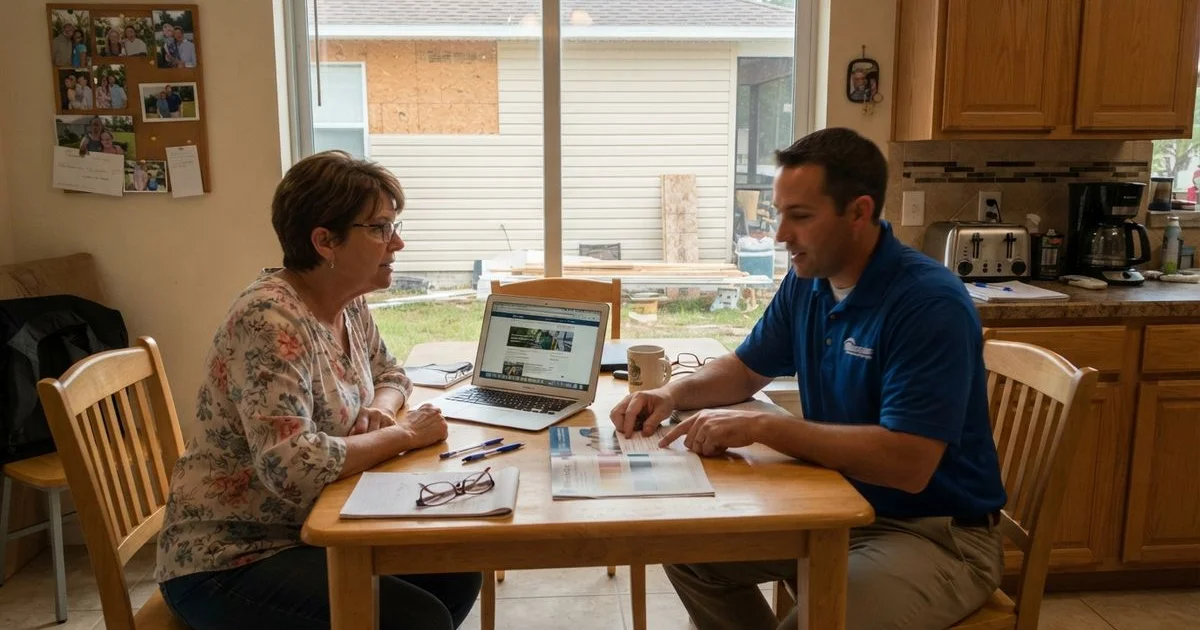
A full siding replacement is one of the larger expenses many homeowners face, and it’s reasonable to want options beyond paying the entire amount upfront. A few practical paths exist for spreading out or reducing that cost, each with its own tradeoffs.
Contractor financing
Many local siding contractors offer financing directly, either through an in-house payment plan or a partnership with a third-party lender that specializes in home improvement loans. Terms vary widely, so ask specifically about the interest rate, repayment period, and whether there’s a promotional no-interest window that reverts to a higher rate if the balance isn’t paid off in time. Read the full terms before signing, since promotional financing offers sometimes carry conditions that are easy to miss in a quick conversation.
Home equity options
A home equity loan or line of credit often carries a lower interest rate than a personal loan or contractor financing plan, since it’s secured against your home. The tradeoff is that your house serves as collateral, which is worth weighing carefully against the convenience of a faster, unsecured option. This route generally makes more sense for larger projects where the interest savings meaningfully outweigh the added risk.
Personal loans
An unsecured personal loan avoids putting your home up as collateral, though it typically comes with a higher interest rate than a home equity option. For homeowners who want to keep the financing separate from their mortgage or home equity entirely, this is a straightforward path, especially for a project on the smaller end of the cost range.
Phasing the project
If financing isn’t the right fit, phasing the work across two or more seasons is another way to manage cash flow, replacing the most visible or most damaged walls first and completing the rest later. This approach usually costs somewhat more in total than doing the whole house at once, since the crew mobilizes more than once and material gets ordered in smaller batches, but it spreads the expense in a way that may fit a tighter budget better than a large lump sum.
| Payment approach | Typical tradeoff |
|---|---|
| Pay in full upfront | Lowest total cost, largest single expense |
| Contractor financing | Manageable payments, watch for promotional rate terms |
| Home equity loan or line | Lower interest rate, home used as collateral |
| Personal loan | No collateral required, generally higher interest rate |
| Phased project | Spreads cost over time, higher total cost than one job |

Getting quotes that make comparison easier
Whichever payment path you’re considering, get itemized quotes from a couple of Lake County siding contractors upfront so you know the actual project cost before comparing financing options against each other. A vague, lump-sum quote makes it much harder to judge whether a financing offer is genuinely competitive. This directory’s scoring method can help you shortlist contractors with a track record of clear, upfront pricing, which matters just as much as the work itself when you’re financing a project over time. First-time homeowners sizing up an older home’s siding condition can start with the checklist for what to check before buying or renovating.
Questions people ask
- Do most siding contractors offer financing?
- Many do, either through in-house payment plans or a partnership with a third-party lender. Ask about financing options during your initial quote conversation, since not every contractor advertises it upfront.
- Is it cheaper to replace all my siding at once or do it in phases?
- Doing it all at once is usually cheaper overall, since a crew mobilizes once and material ordering is more efficient. Phasing costs more in total but spreads the expense across a longer timeframe, which may matter more than the premium for some budgets.
- Can insurance help cover part of a siding replacement?
- Only if the damage stems from a covered event like storm or wind damage, not for a proactive upgrade or replacement due to age and wear. Check your policy or talk to your insurer before assuming any coverage applies.
- Should I get a home equity loan or a personal loan for siding work?
- It depends on your financial situation and the loan terms available to you. A home equity option often carries a lower rate but uses your home as collateral, while a personal loan or contractor financing plan avoids that but may cost more in interest. Comparing actual offers is the only way to know which fits your situation.