Siding for first-time Lake County homeowners: what to check before you buy or renovate
By Aisha Kowalski · Updated 2026-09-07
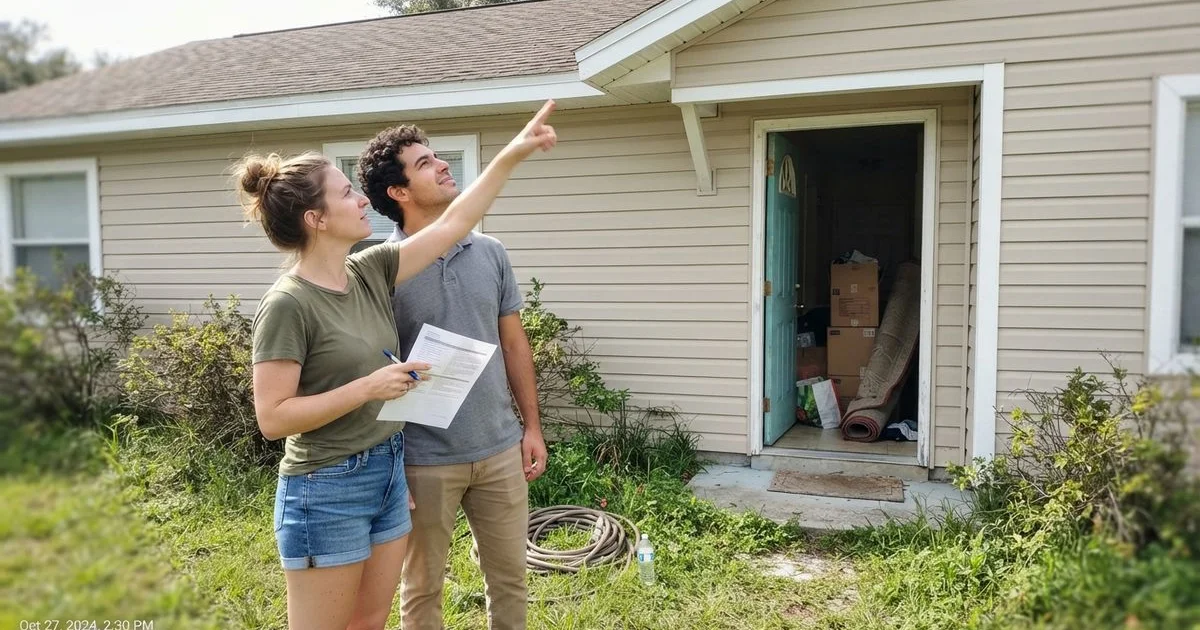
Buying your first home, or tackling your first exterior renovation, means learning a lot at once, and siding is one of those things that’s easy to overlook until it becomes a problem. A little bit of knowledge going in helps you ask sharper questions during a showing or a renovation quote, and avoid surprises later.
What to look at before making an offer
Walk the full exterior of any home you’re seriously considering, not just the front facade that gets the most attention. Look for cracking, warping, or panels that have visibly pulled away from the wall, staining that runs downward from seams or trim, and any spot that looks patched or repaired differently from the surrounding siding. None of this replaces a professional home inspection, but knowing what to look for helps you ask the seller or agent informed questions, and gives you a sense of whether the exterior needs attention soon after you move in.
Questions worth asking
- How old is the siding, and has it ever been replaced? Sellers or listing agents sometimes know this, and it helps set expectations for remaining lifespan.
- Has there been any past storm damage, and was it professionally repaired? A patched section that doesn’t quite match can be a clue worth following up on.
- What material is it, and does it need any specific ongoing maintenance? Wood and cedar in particular come with upkeep expectations a first-time owner should know about before committing.
After you own the home
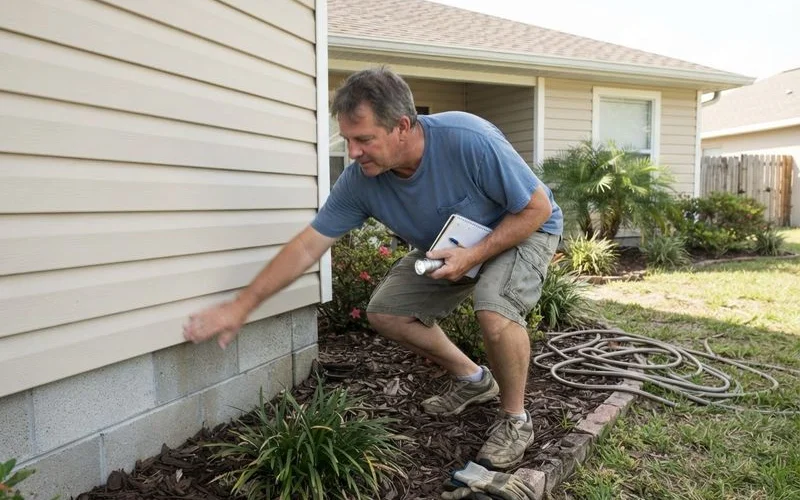
Once you’ve moved in, a simple baseline check is worth doing in your first few months: walk the exterior, note the material and its apparent condition, and decide whether anything beyond routine cleaning is needed soon. This is also a good time to start a simple home maintenance record, noting the siding’s condition and any repairs, which helps you track changes over time and can be useful if you ever need to file an insurance claim or plan a future renovation.
| First-time homeowner step | When to do it |
|---|---|
| Walk the exterior during a showing | Before making an offer |
| Ask about siding age and past repairs | During the buying process |
| Review the inspector’s exterior notes closely | Before closing |
| Do a baseline condition check yourself | First few months of ownership |
| Start a simple maintenance record | Ongoing |
If you’re planning a renovation instead
For first-time owners planning to update siding rather than replace it entirely because of damage, start by getting a clear picture of what condition you’re actually working with before requesting quotes. A contractor can give you more useful, accurate pricing when they know whether you’re dealing with cosmetic wear, moderate wear and tear, or more significant underlying issues. If the resulting quote is bigger than you expected, the guide to financing and phasing siding replacement lays out ways to manage that cost.
Where to go from here
Whether you’re evaluating a home before buying or planning your first renovation, getting a second opinion from a siding contractor in Lake County before committing to any major decision is worth the time. This directory’s scoring method explains how listings are ranked on review sentiment and professionalism, which is a reasonable starting point for a first-time owner who doesn’t yet have a contractor they already trust.
Questions people ask
- How do I check siding condition before making an offer on a house?
- Walk the full exterior yourself before your inspection, looking for visible cracking, warping, and staining. Your home inspector will do a more thorough check, but knowing what to look for helps you ask better questions during a showing.
- Should siding issues affect how much I offer for a house?
- It can be a reasonable point to factor in or negotiate on, especially if your inspector flags moisture intrusion or widespread damage that will need addressing soon after you move in.
- What's the first thing a new homeowner should do about older siding?
- Get a baseline understanding of the material, its age if known, and its current condition, then decide whether it needs anything beyond routine cleaning in the near term versus a longer-term replacement plan.
- Is it normal for a home inspector to miss siding issues?
- Inspectors check what's visible and accessible, so hidden problems behind an intact-looking wall can sometimes go unnoticed. If anything about the exterior seems off, it's reasonable to ask for a closer look or a second opinion from a siding specialist.