Vinyl vs fiber cement vs wood vs metal siding: comparing cost and durability
By Aisha Kowalski · Updated 2026-08-16
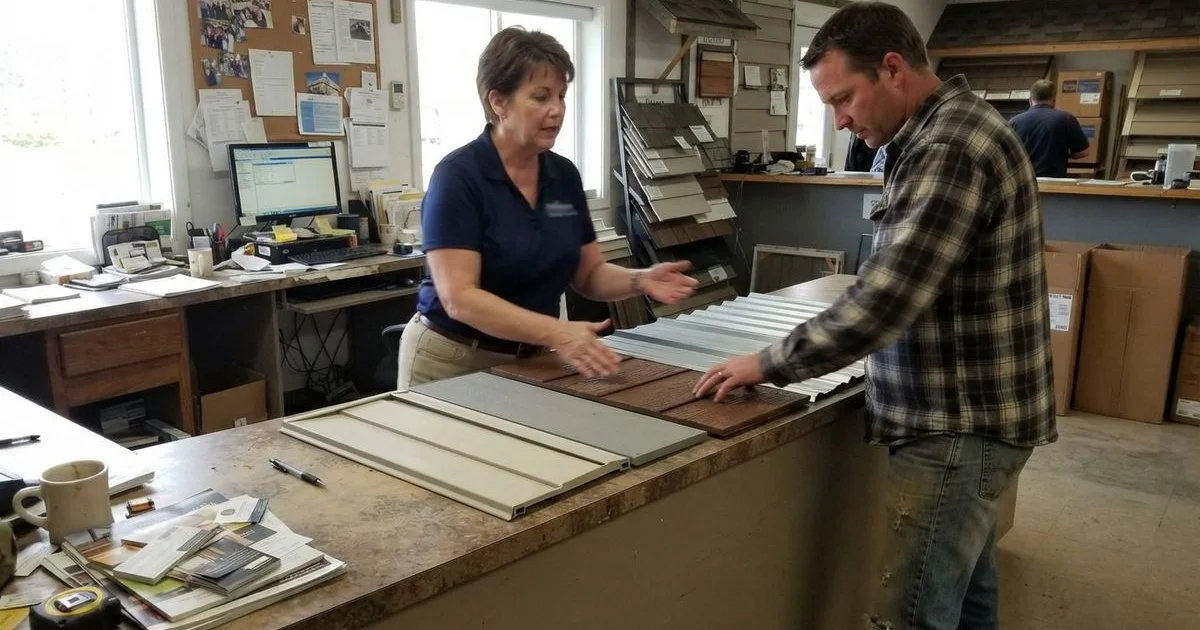
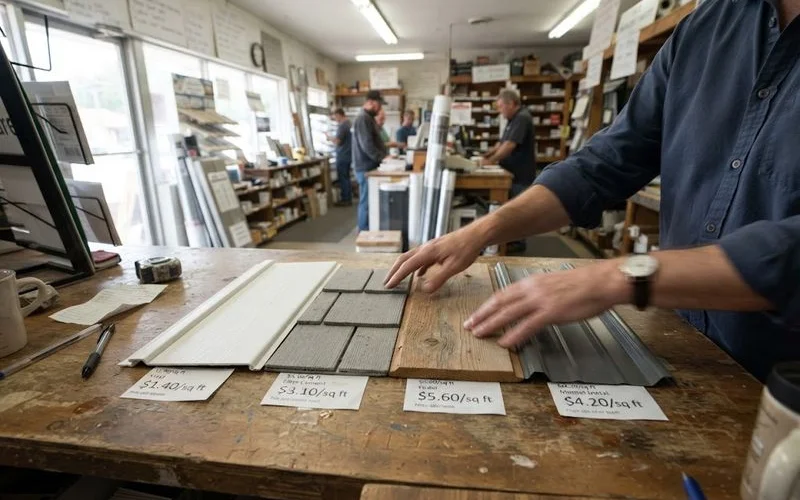
Every siding material trades off cost against durability and upkeep somewhere. There’s no single right answer for every Lake County home, but laying the four common options side by side makes the tradeoffs concrete instead of abstract.
The quick comparison
| Material | Installed cost per sq ft | Lifespan | Maintenance | Best fit |
|---|---|---|---|---|
| Vinyl | $4 - $6 | 20 - 30 years | Low, occasional wash | Budget-conscious projects, rentals |
| Insulated vinyl | $6 - $9 | 25 - 30 years | Low | Homeowners wanting stiffer panels and modest insulation |
| Fiber cement | $8 - $12 | 30 - 50 years | Low, eventual repaint | Long-term ownership, resale value |
| Wood or cedar | $10 - $14 | 20 - 40 years with upkeep | High, regular sealing or paint | Traditional look, owners willing to maintain it |
| Metal or steel | $9 - $12 | 30 - 50 years | Low | Termite and rot resistance, modern or industrial styles |
Vinyl: the practical default
Vinyl remains the most common siding material installed in Lake County, and for good reason. It resists rot and termites outright, doesn’t need painting, and the lower material cost means most local crews can install it efficiently. Its main weaknesses are impact resistance in a bad hailstorm and a slightly lower resale perception compared with fiber cement in some buyer surveys. Insulated vinyl narrows that gap by adding a foam-backed panel that resists flexing and contributes a small amount of thermal value, at a moderate cost premium over standard vinyl.
Fiber cement: durability at a premium
Fiber cement, often called Hardie board after its best-known manufacturer, costs roughly double vinyl but delivers meaningfully better wind and impact resistance along with a longer service life. It’s heavier and more labor-intensive to install, which is most of where that cost premium comes from rather than the raw material itself. For homeowners planning to stay in a house for a decade or more, or anyone prioritizing resale value, fiber cement is frequently the strongest overall choice.
Wood: character with a maintenance cost
Wood and cedar siding give a home a look that manufactured materials still struggle to fully replicate, and some homeowners simply prefer it. The tradeoff is real upkeep: Florida’s humidity accelerates moisture absorption, which means more frequent sealing, painting, or staining than wood would need in a drier climate. Engineered wood products offer a middle path, built to resist moisture and pests better than solid lumber while keeping much of the visual character, though they still require periodic recoating to protect the factory finish.
Metal: quiet strength
Metal or steel siding doesn’t get discussed as often as the other three, but it holds up extremely well against termites, rot, and wind in exchange for a cost similar to fiber cement. Coated steel panels commonly last 30 to 50 years, and what typically fails first isn’t the panel but the coating or fasteners, which periodic inspection can catch early. It reads as a more contemporary look, which fits some homes better than others, so it’s worth seeing samples in person before committing.
How to actually decide
Start with how long you plan to own the home and how much ongoing maintenance you’re realistically willing to do. A five-year hold with a tight budget usually points toward vinyl. A forever home where resale value and low upkeep both matter usually points toward fiber cement or metal. Wood makes sense mainly for homeowners who value the look enough to accept the maintenance, or who are restoring an existing wood-sided property to match its original character.
Whichever material you’re leaning toward, pull two or three quotes from siding contractors serving Lake County who install that specific material regularly, since installation quality affects how well any of these materials actually perform over time. This directory’s scoring approach weighs recent review sentiment more heavily than star ratings alone, which is one way to filter for crews with a consistent track record on the material you’ve chosen.
Questions people ask
- Which siding material is cheapest overall?
- Standard vinyl is generally the least expensive option to install and to maintain over time, since it doesn't need repainting and resists Florida's humidity well.
- Which siding material lasts the longest?
- Fiber cement and metal both tend to outlast vinyl and wood, with well-maintained fiber cement and coated metal panels commonly reaching 30 to 50 years before major work is needed.
- Is wood siding a bad choice in Florida's climate?
- Not necessarily, but it demands more upkeep here than in drier climates, since humidity accelerates moisture-related wear. Homeowners who want wood's look but less maintenance often choose engineered wood or fiber cement instead.
- Does material choice affect resale value?
- It can. Fiber cement in particular tends to be viewed favorably by buyers and appraisers as a durable, lower-maintenance upgrade over vinyl, though local market preferences vary.