Siding condition and your home's resale value in Lake County
By Aisha Kowalski · Updated 2026-09-01
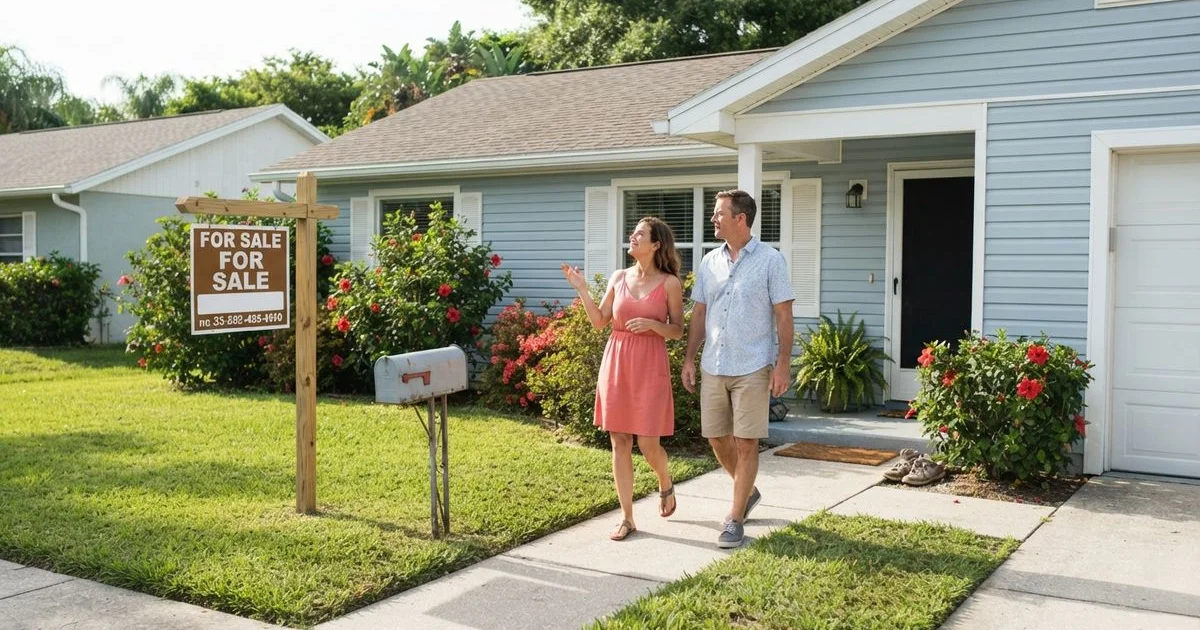
Curb appeal sells houses, and siding is a big part of what a buyer sees before they even walk through the front door. Whether it’s worth investing in before you list depends heavily on the current condition and how much time you have before showings start.
What buyers and inspectors actually notice
Most buyers aren’t siding experts, but they notice the same things anyone would: visible damage, obvious color mismatch from a partial repair, chalky or faded finish, and anything that looks neglected. Home inspectors go further, checking for soft spots, visible water staining, and signs that moisture has gotten behind the siding at some point. A clean inspection report on the exterior removes one common source of buyer negotiating power during closing.
When replacement is worth considering before listing
- Visible, widespread damage. Cracked, warped, or missing panels across multiple walls signal deferred maintenance to a buyer, even if the underlying structure is fine.
- Signs of water intrusion. Staining or soft spots that an inspector would flag are worth addressing before listing, since buyers often use inspection findings to negotiate price reductions well beyond the actual repair cost.
- Severely outdated material or color. A home that reads as dated from the curb can undersell what’s genuinely a well-maintained interior, particularly in a market where comparable listings look more updated.
- Storm damage that was never fully repaired. Partial or temporary repairs left in place for years read poorly to both buyers and inspectors.
When it’s probably not worth it
Cosmetic wear, like mild fading or a small amount of algae staining that a good pressure wash and touch-up would fix, rarely justifies a full siding replacement before selling. In most cases, a thorough cleaning and minor spot repairs deliver most of the curb-appeal benefit at a fraction of the cost of full replacement.
A quick decision framework
| Siding condition | Recommended action before listing |
|---|---|
| Minor fading, light dirt | Pressure wash, minor touch-ups |
| A few isolated damaged panels | Spot repair to matching material |
| Widespread damage or warping | Consider partial or full replacement |
| Signs of water intrusion | Address before listing, not after inspection |
| Outdated material, strong local buyer preference for updated exteriors | Weigh replacement against local market comps |
Weighing cost against return
Full siding replacement is a meaningful expense, and it rarely returns its complete cost as a direct increase in sale price the way some smaller cosmetic upgrades might. Its real value at resale is usually in removing objections: a buyer who sees clean, damage-free siding has one less reason to negotiate down or walk away, and a clean inspection report keeps the closing process moving without added repair credits.
If you’re weighing replacement against a targeted repair, get quotes for both from Lake County siding contractors so you can compare the actual cost difference against your specific home’s condition and your local market’s expectations. This directory’s scoring method can help you find a contractor with a track record of clean, timely work, which matters more than usual when you’re working against a listing deadline.
Questions people ask
- Does replacing siding before selling actually raise my sale price?
- It often improves buyer perception and can reduce negotiation friction during inspection, though it doesn't always return its full cost as a direct price bump. The bigger benefit is usually a smoother, faster sale rather than a dramatic price increase.
- Is it worth replacing siding just before listing a house?
- It depends on current condition. Cosmetic issues like fading or minor cracking rarely justify a full replacement before selling, but visible damage, warping, or signs of water intrusion can scare off buyers or trigger inspection negotiations that cost more than a targeted repair would have.
- Do buyers care what material the siding is?
- Some do, particularly buyers who've researched maintenance costs. Fiber cement and metal tend to read as lower-maintenance and more durable to informed buyers, though most buyers focus more on visible condition than the specific material.
- Will bad siding show up on a home inspection?
- Yes, a standard home inspection typically flags visible siding damage, water staining, or signs of moisture intrusion, which can become a negotiating point or a requested repair before closing.