Wood and cedar siding maintenance: what the upkeep really involves
By Aisha Kowalski · Updated 2026-09-03
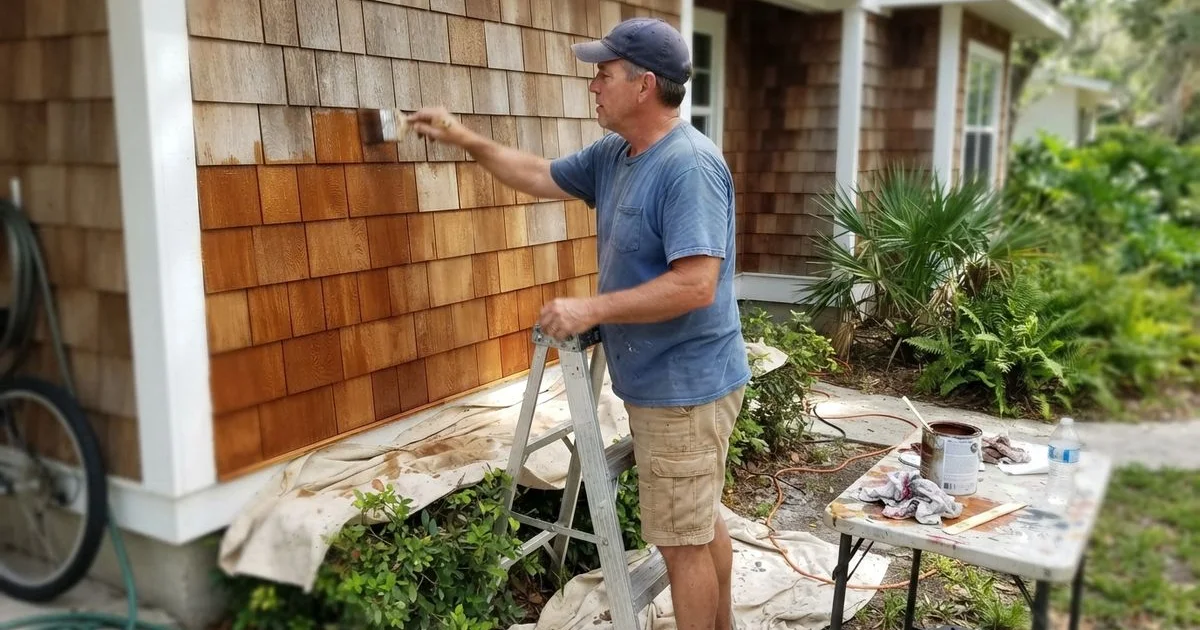
Wood and cedar siding give a home a look that’s hard to fully replicate with manufactured materials, and that’s exactly why some homeowners choose it despite knowing it asks more of them than vinyl or fiber cement. Understanding what that upkeep actually looks like, and how often it comes due, helps you decide if it’s a fit for your schedule and budget.
The maintenance schedule, realistically
Painted wood siding generally needs a fresh coat every 5 to 7 years in this climate, while stained finishes tend to need attention sooner, often every 3 to 5 years depending on how much direct sun a given wall gets. South and west-facing walls in Florida typically weather faster than north-facing ones, so don’t assume every side of the house is on the same schedule.
Beyond repainting or restaining, an annual inspection is worth the hour it takes: walk the exterior, check for cracked or split boards, look closely at any spot where two pieces of wood meet or where trim intersects the siding, and press gently on any area that looks discolored to check for softness underneath.
What actually causes most wood siding problems
Moisture is the recurring theme behind almost every serious wood siding issue in Florida. Humidity that would be a minor nuisance in a drier climate accelerates rot, warping, and mold growth here whenever water finds a way to sit against the wood rather than shed off it. The most common failure points are gaps in caulking around trim, poor clearance between the bottom of the siding and the ground, and missing or damaged flashing where a roofline meets a wall.
| Maintenance task | How often | Why it matters |
|---|---|---|
| Repaint (painted finish) | Every 5-7 years | UV and humidity break down the protective coating over time |
| Restain (stained finish) | Every 3-5 years | Stain offers less UV protection than solid paint |
| Full exterior inspection | Annually | Catches cracking, gaps, and early moisture signs before they spread |
| Caulk and seal check | Annually | Shrinking or cracked caulk lets water behind the boards |
| Pressure wash (low pressure) | As needed, typically 1-2 years | Removes algae and mildew buildup without forcing water into seams |
Engineered wood as a middle ground
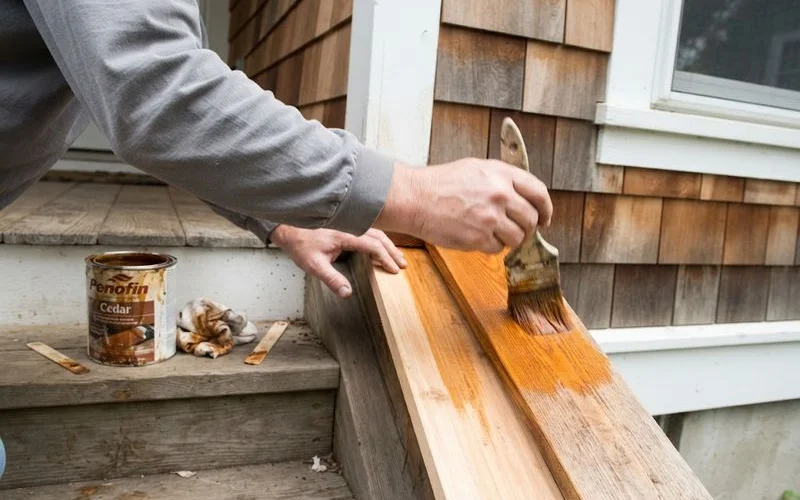
Engineered wood siding, made from wood fibers bonded with resin rather than milled from solid lumber, resists moisture and pests noticeably better than raw wood while keeping much of the same visual character. It still needs periodic recoating, typically on a longer cycle of 7 to 10 years, to protect the factory finish and maintain any manufacturer warranty. For homeowners who want wood’s look with meaningfully less upkeep, it’s worth comparing directly against solid cedar before deciding.
Deciding if wood is worth the upkeep for your home
If you enjoy the maintenance rhythm, or you’re restoring a home where wood siding fits the original architecture, the upkeep is a reasonable tradeoff for the look. If you’d rather not think about a repainting schedule every few years, it’s worth pricing engineered wood or fiber cement as alternatives that get closer to the same appearance with less ongoing work.
Whichever direction you go, a siding contractor experienced specifically with wood and cedar is worth seeking out over a generalist, since improper installation, like missing flashing or poor board spacing, is what turns routine maintenance into a bigger repair down the line. This site’s scoring method can help you narrow that search to crews with a consistent track record.
Questions people ask
- How often does wood siding need to be repainted or restained?
- Painted wood siding typically needs a fresh coat every 5 to 7 years in Florida's climate, while stained siding often needs attention more frequently, roughly every 3 to 5 years, depending on sun exposure.
- Is engineered wood siding lower maintenance than solid wood?
- Yes, generally. Engineered wood products come with a factory-applied finish designed to resist moisture and pests better than raw lumber, though they still need periodic recoating, typically every 7 to 10 years.
- What's the biggest maintenance risk for wood siding in this climate?
- Moisture. Florida's humidity accelerates rot and mold growth wherever water gets trapped against wood, so inspecting for gaps, failed caulking, and poor drainage matters more here than in drier climates.
- Can I pressure wash wood or cedar siding?
- Carefully, and at a lower pressure than you'd use on vinyl or fiber cement. Too much pressure can force water into seams and joints, which does more harm than the dirt it's meant to remove.